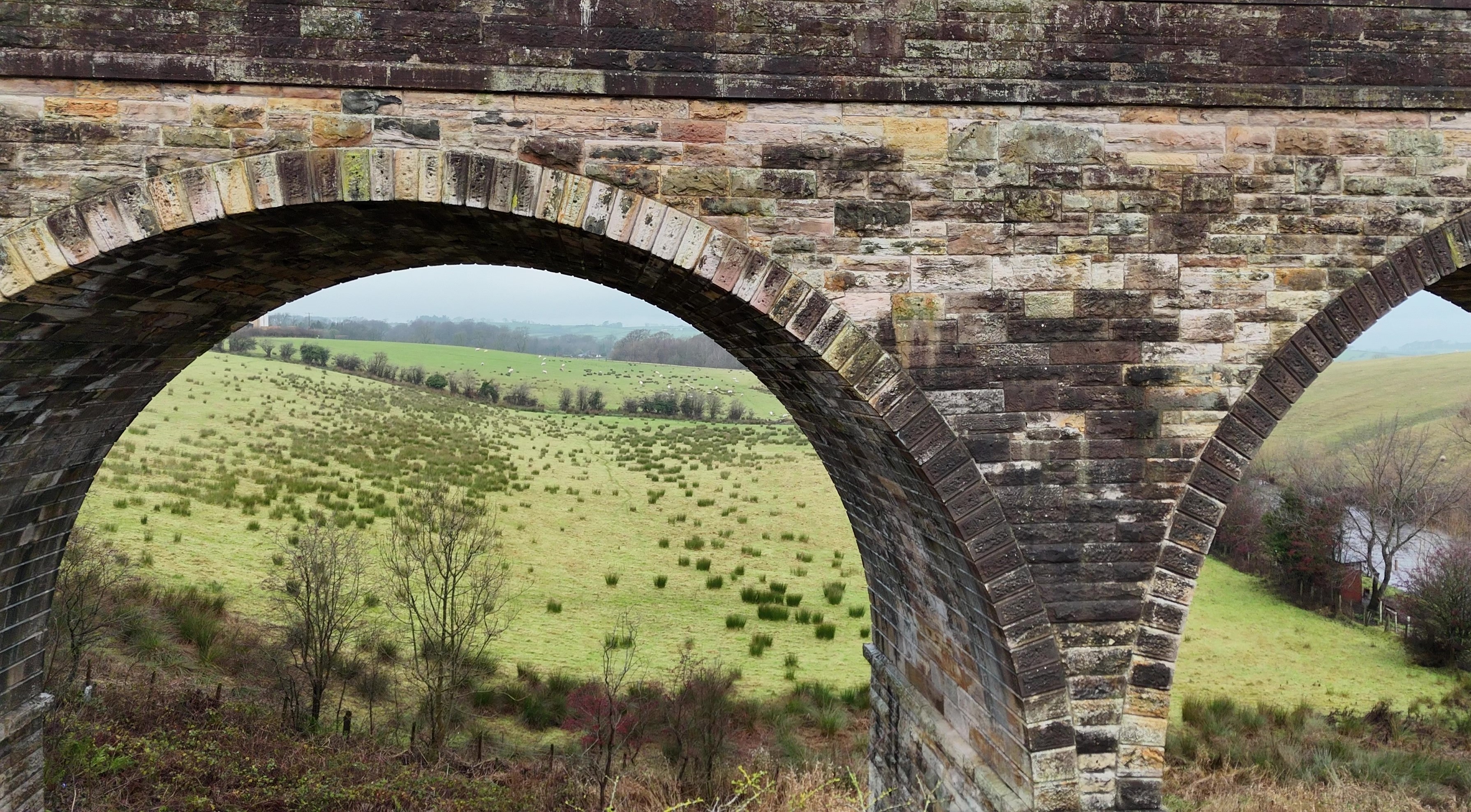
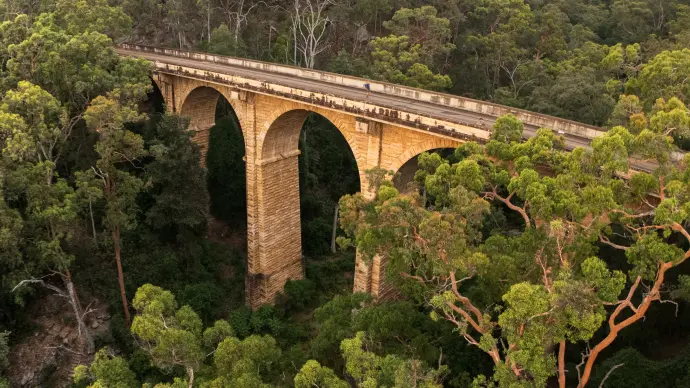
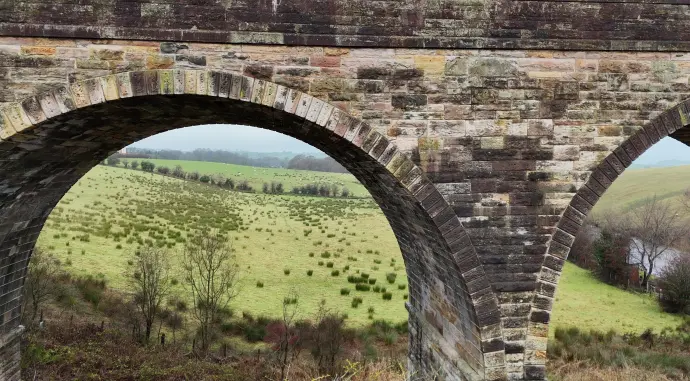
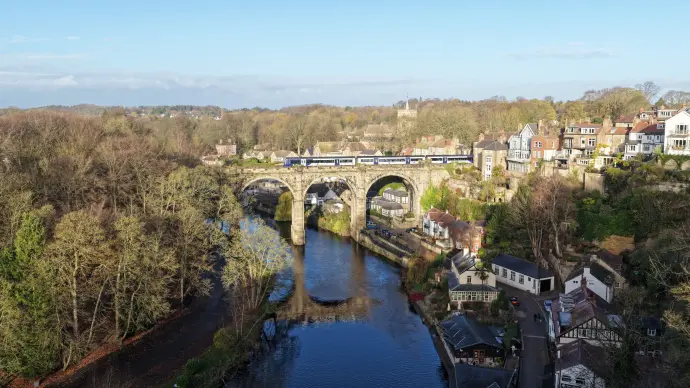
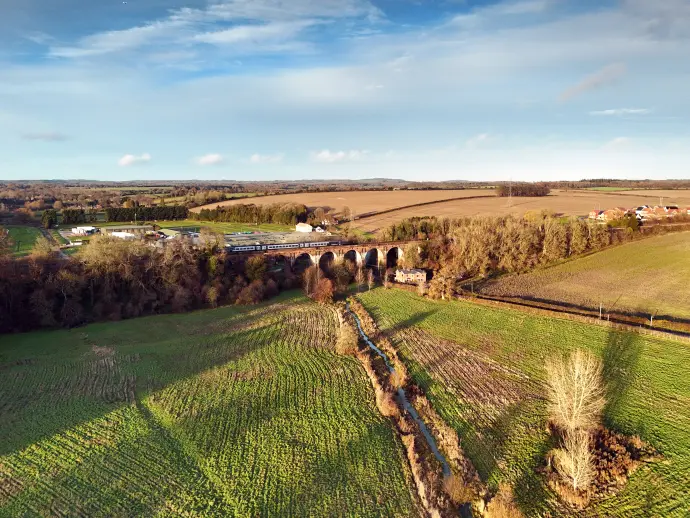
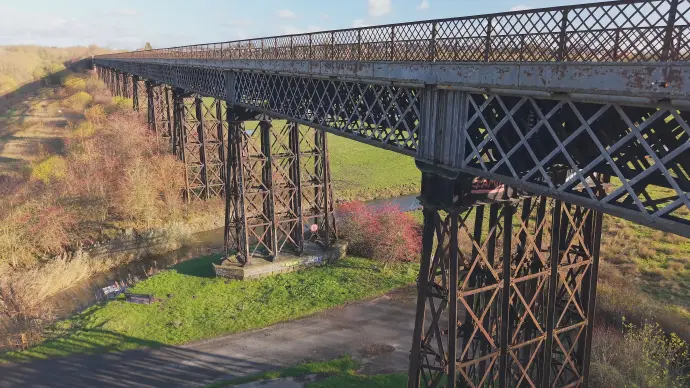
Detail of the arches that form the beautiful railway viaduct north of Kilwinning in Ayrshire which was built in 1888 by the South Lanarkshire and Ayrshire Railway. It carried the line over the River Garnock. It closed in 1953 and is now part of the National Cycle Network Route 7.

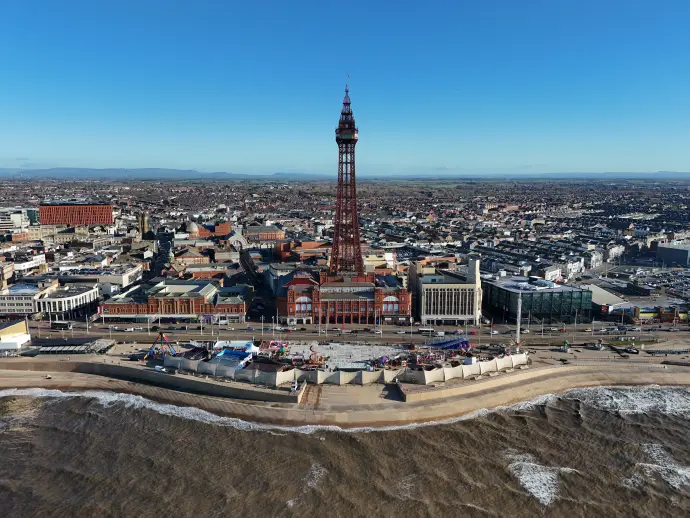
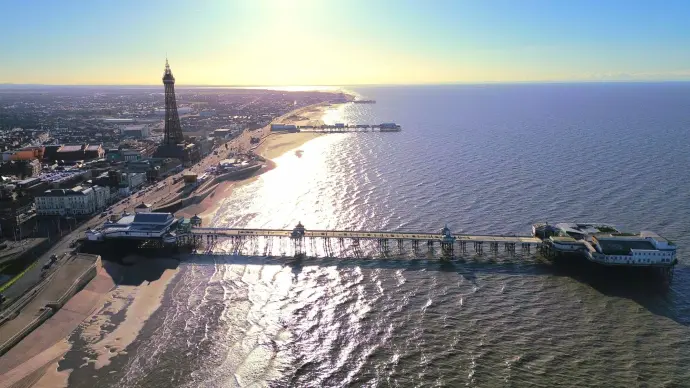
Who”d have thought it a Tower in Blackpool? Designed by Maxwell & Tuke, building commenced in 1891 and opened in 1894. Also visible in the frame are the Winter Gardens which opened in July 1878 and the dome of the Grand Theatre which also opened in 1894. With views over Wyre & Ribble valley to the Bowland hills in the background including local landmarks of Parlick, Beacon fell, Longridge fell & Pendle Hill. Broadband has been down for best part of two weeks so just posting this now, jpeg strait out of drone (well via download to computers hard drive).
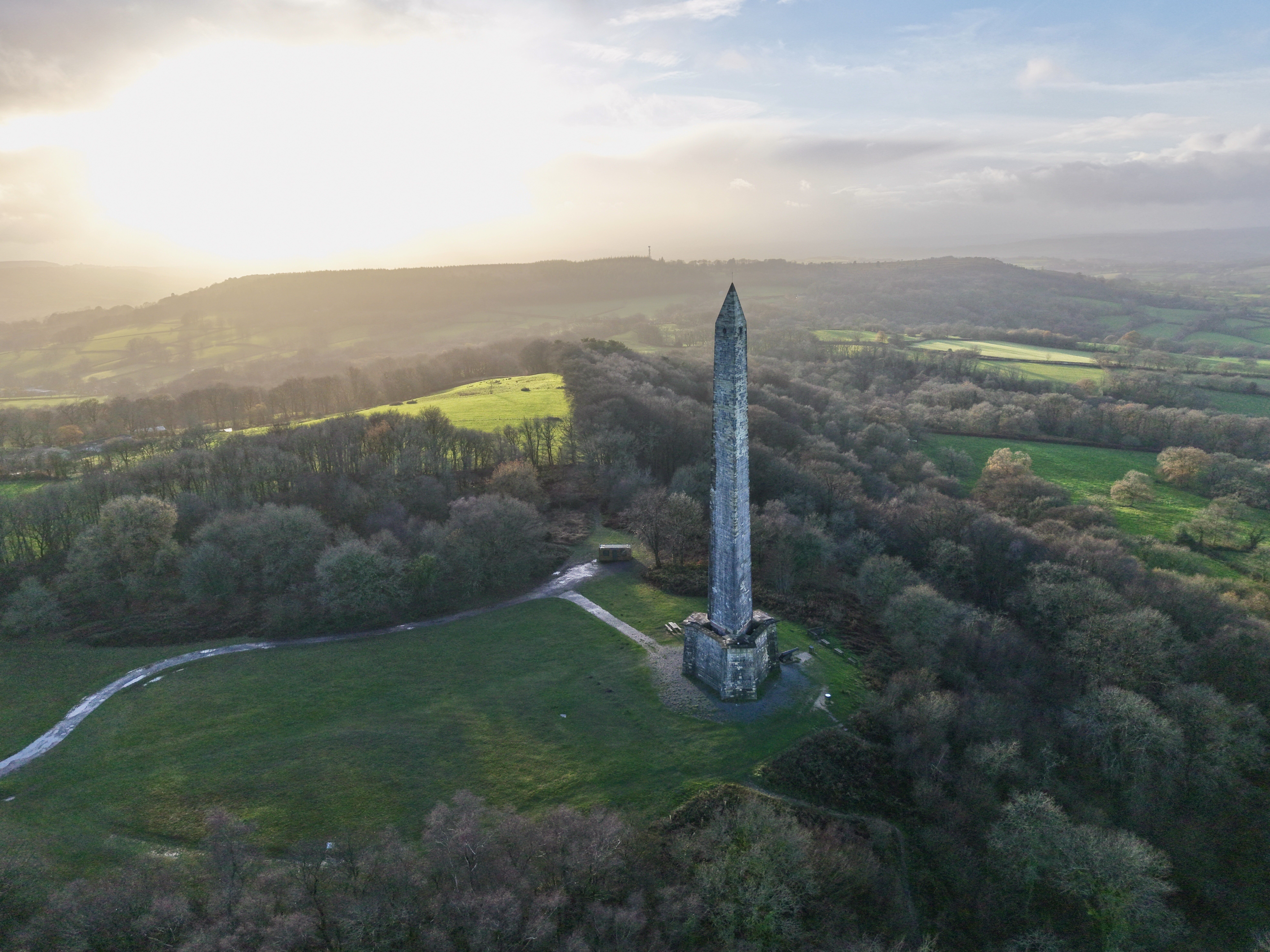
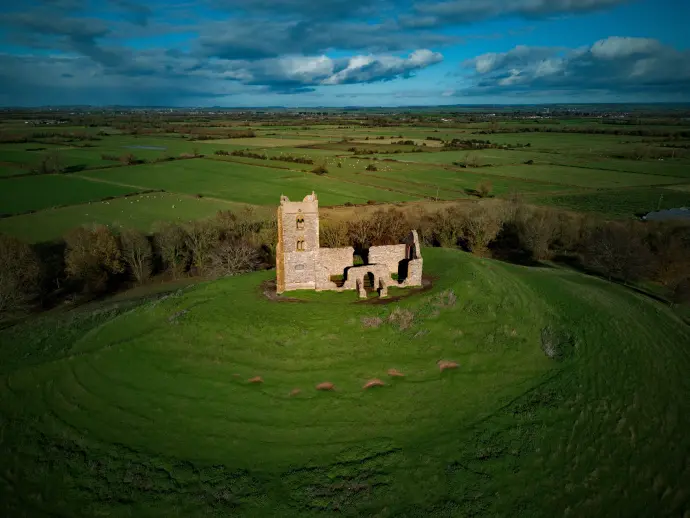
A couple of excellent choices this time… …do I look for an impressive piece of Victorian engineering, or try to annoy the National Trust? Hard choice! In the event, I might have satisfied both criteria.
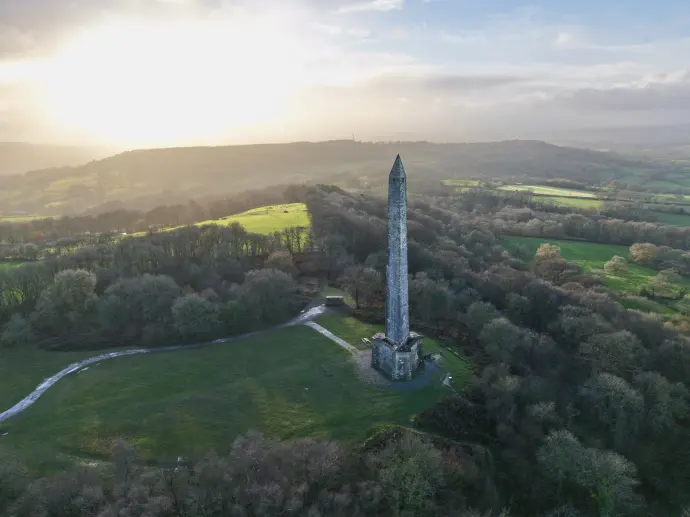
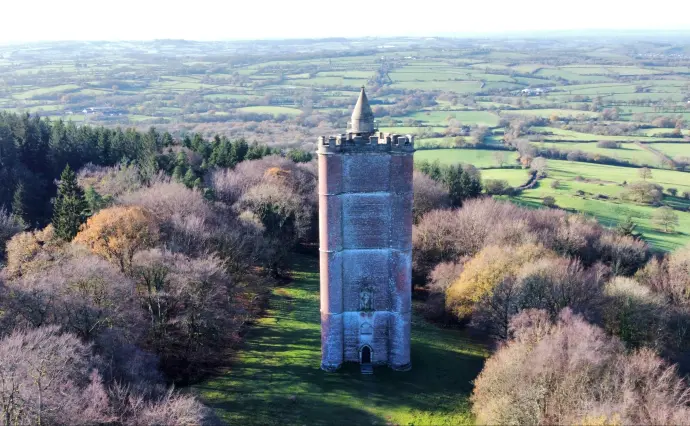
Arthur Wellesley was first ennobled in 1809. He was far too busy trying to defeat Napoleon’s armies in the Peninsula War to be bothered choosing where he was going to be Viscount Wellesley of, though. The choice was left to his brother, who selected Wellington in Somerset, as he liked the alliteration with the family name.
Following the victory at Waterloo, it was thought fitting a monument should be erected to the now Duke, on his own land above the town he had become associated with. A public subscription raised enough to start the project, but funds then ran out. Eventually, Wellesley had become Prime Minister - and a rather unpopular one too - so further monies were not forthcoming, and the monument remained unfinished. In 1855, after his death it was felt it should be completed, though as cheaply as possible, without being seen to disrespect the memory of a fine soldier. Rather than a statue of the Duke as originally conceived (a la Nelson’s Column) it was styled on a bayonet (hence its triangular cross-section). The building work was rather substandard though, and it needed repairing even before the end of Victoria’s reign. Eventually, the monument was passed on to the National Trust, who oversaw extensive renovations in the 2010s. It is now open to the public again. So, National Trust property… tick, Victorian engineering… possibly, in a Trigger’s broom sort of way.
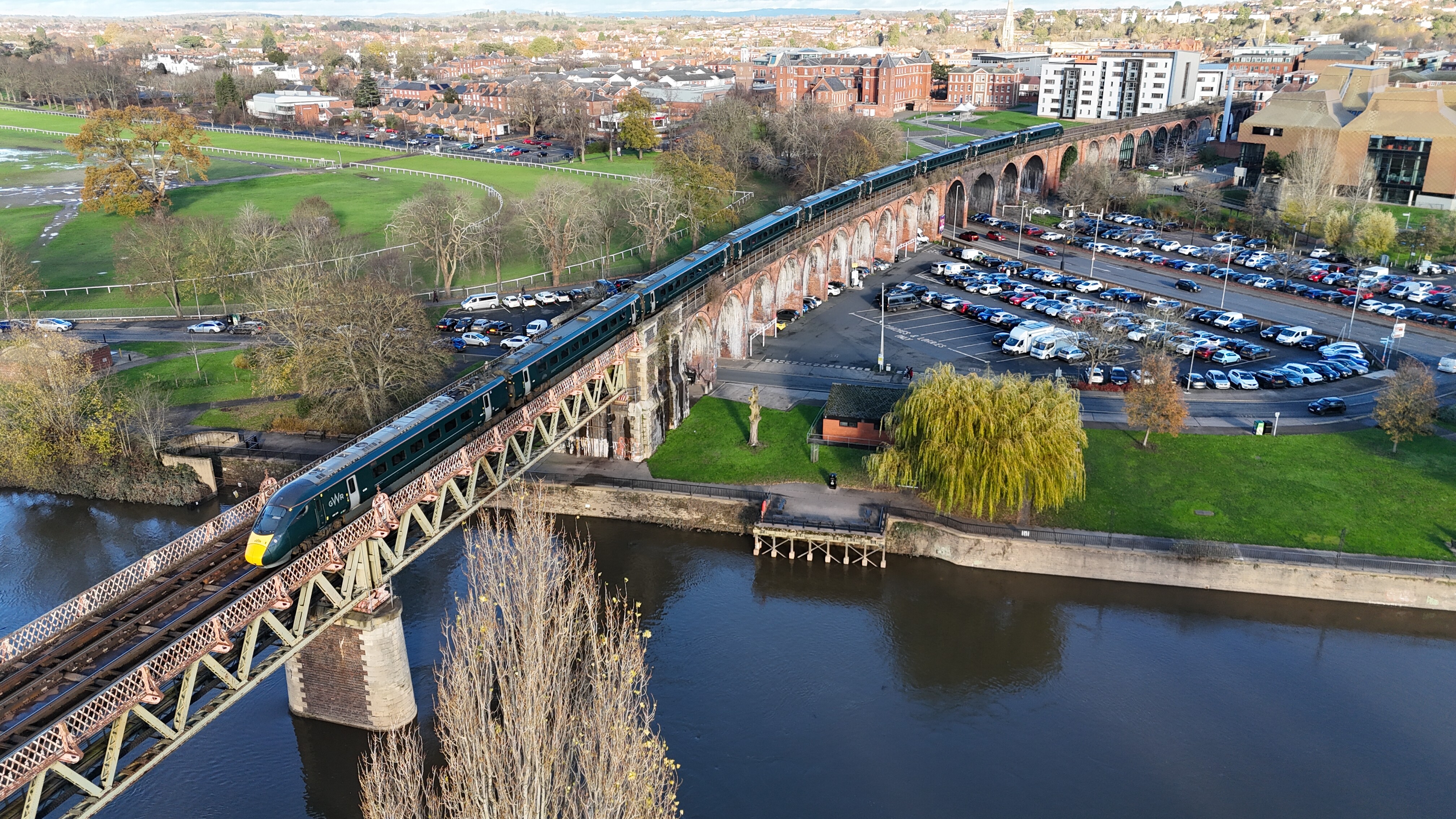
Flying conditions have been awful down here, and even today it was a case of dodging showers. I used the Air 3S as I knew it would perform better in the conditions, but even then the controller was issuing dire warnings about the strong wind.
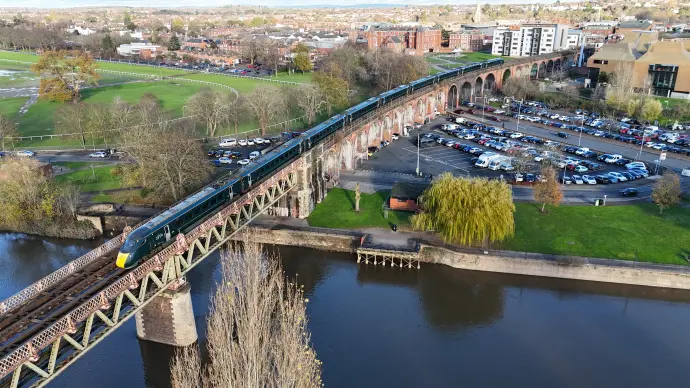
This is Worcester Rail Bridge over the Severn, completed in 1859 and originally had 65 arches. There is a train on it that is not Victorian and the race course is visible to the left.
You have enjoyed seeing the pictures posted over the last fortnight; now is the time to vote for your favourites. You may pick up to 5 images. The poll closes at 22:00 on Monday, 8th December.
A bit of a no brainer really, isn’t it. So iconic. Great shot. My Aunt lives just up the coast at Thornton Cleveleys, so I know this area a little bit.
Sorry for the delay in announcing the winners but it seems you have managed to work it out for yourselves. This post is probably superfluous but here it is anyway:
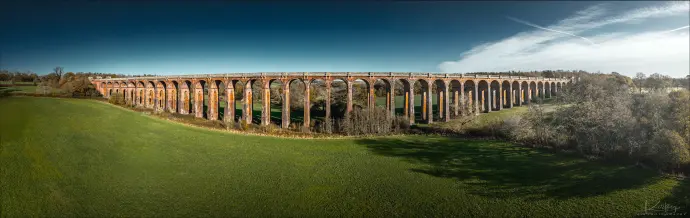
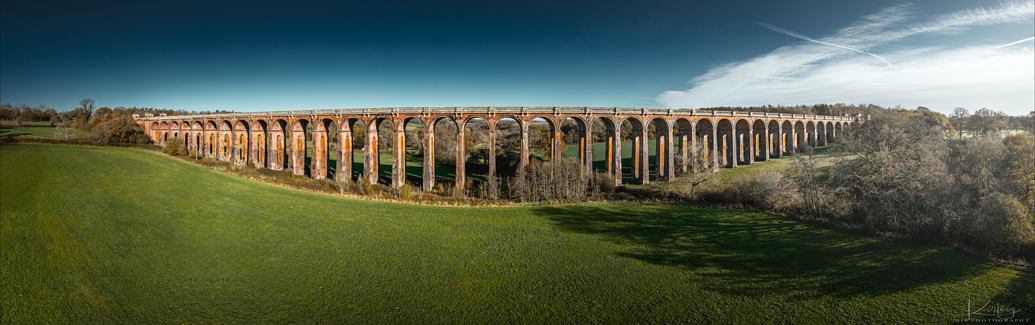
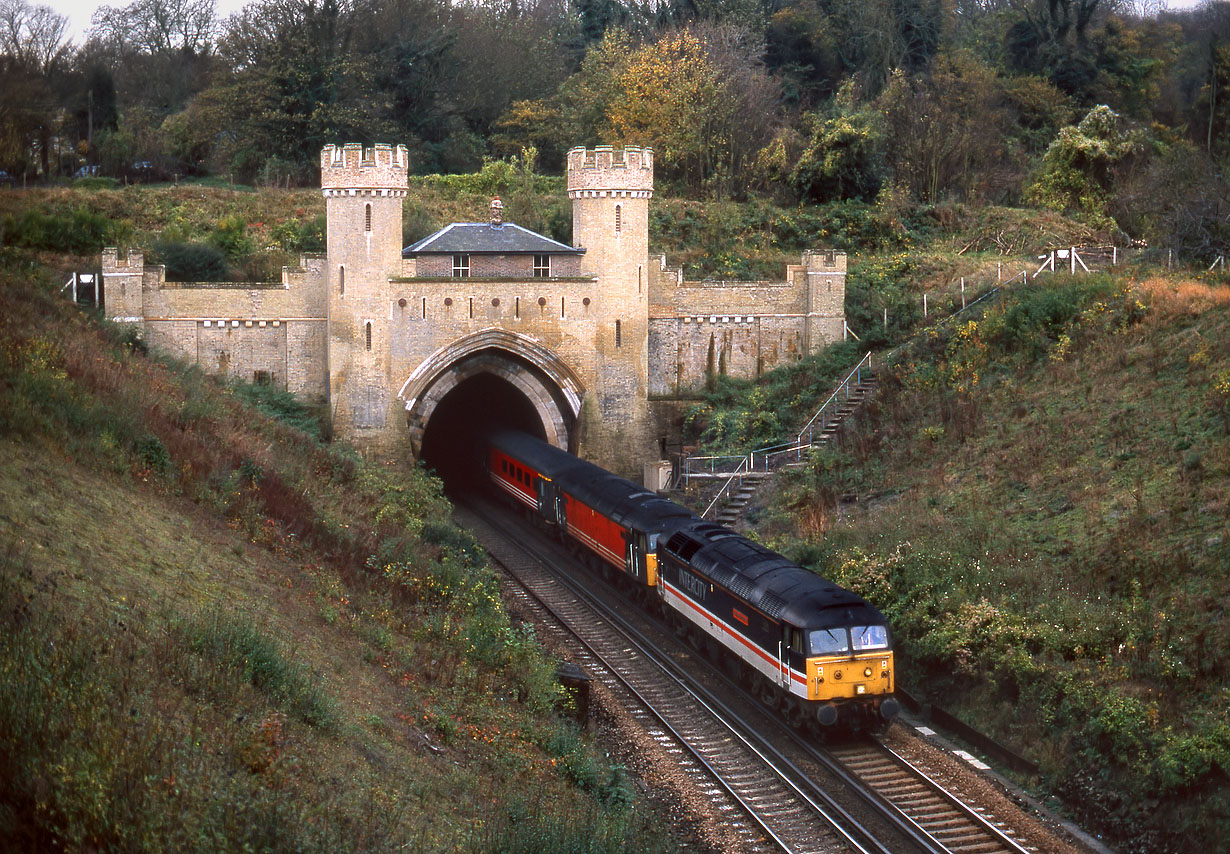
In third place is Richard - @Kirky with his favoured 180 pano technique, this time on the Ouse Valley Viaduct near Balcombe on the Brighton Victoria line. It’s a fine, impressive brick structure with four decorative pavilions at each end, worth seeing whilst in the area is the entrance to the Clayton Tunnel on the same main railway line and also slightly quirky in its architecture.
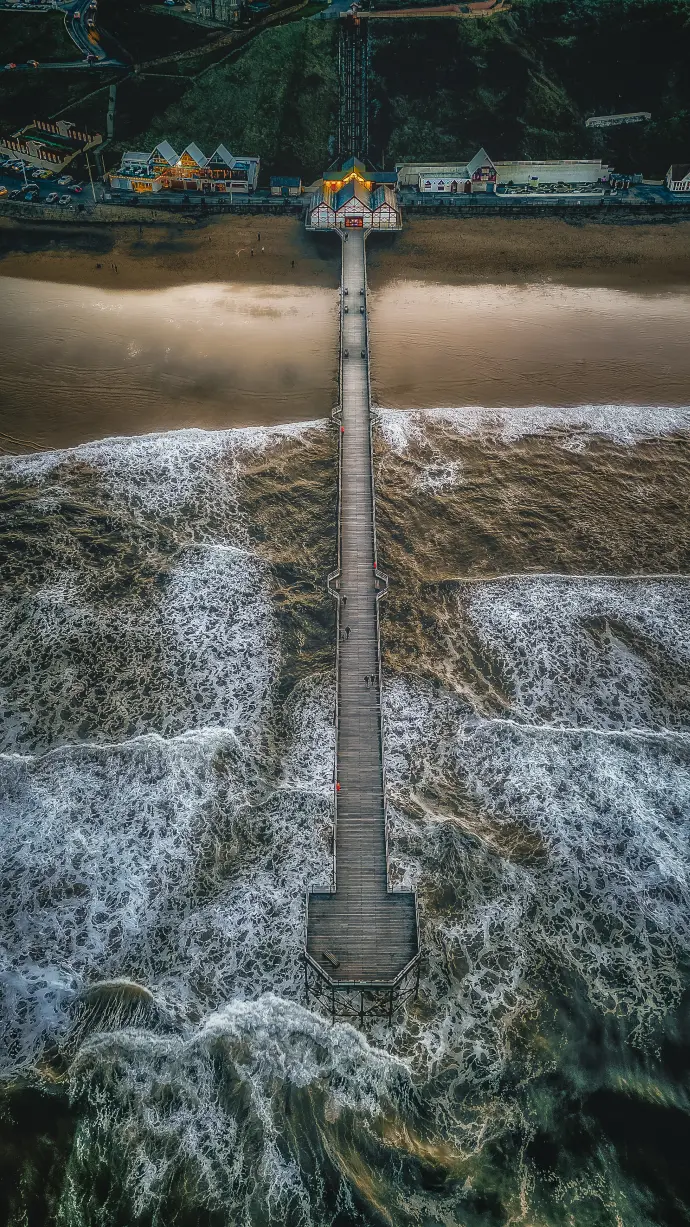
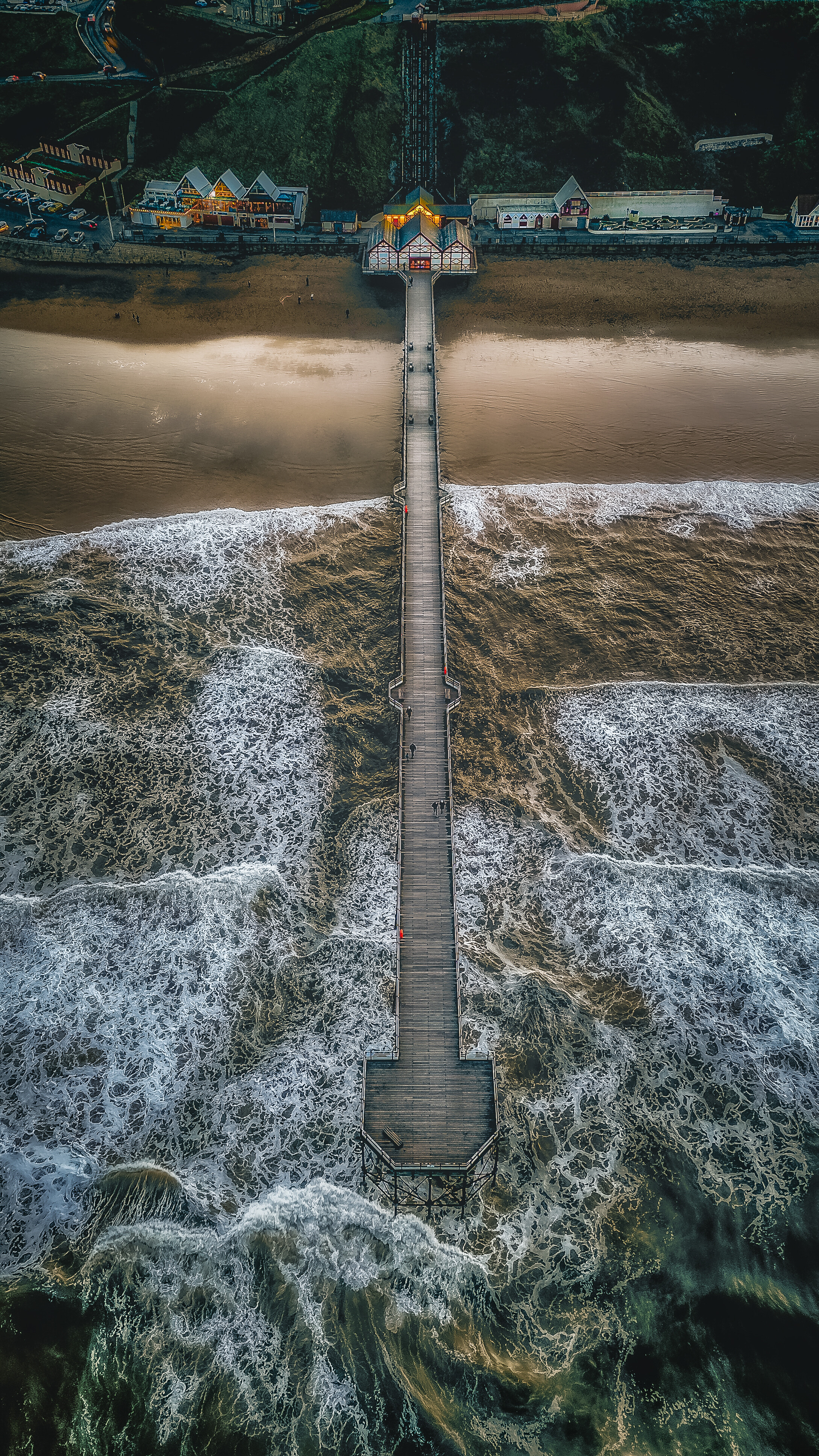
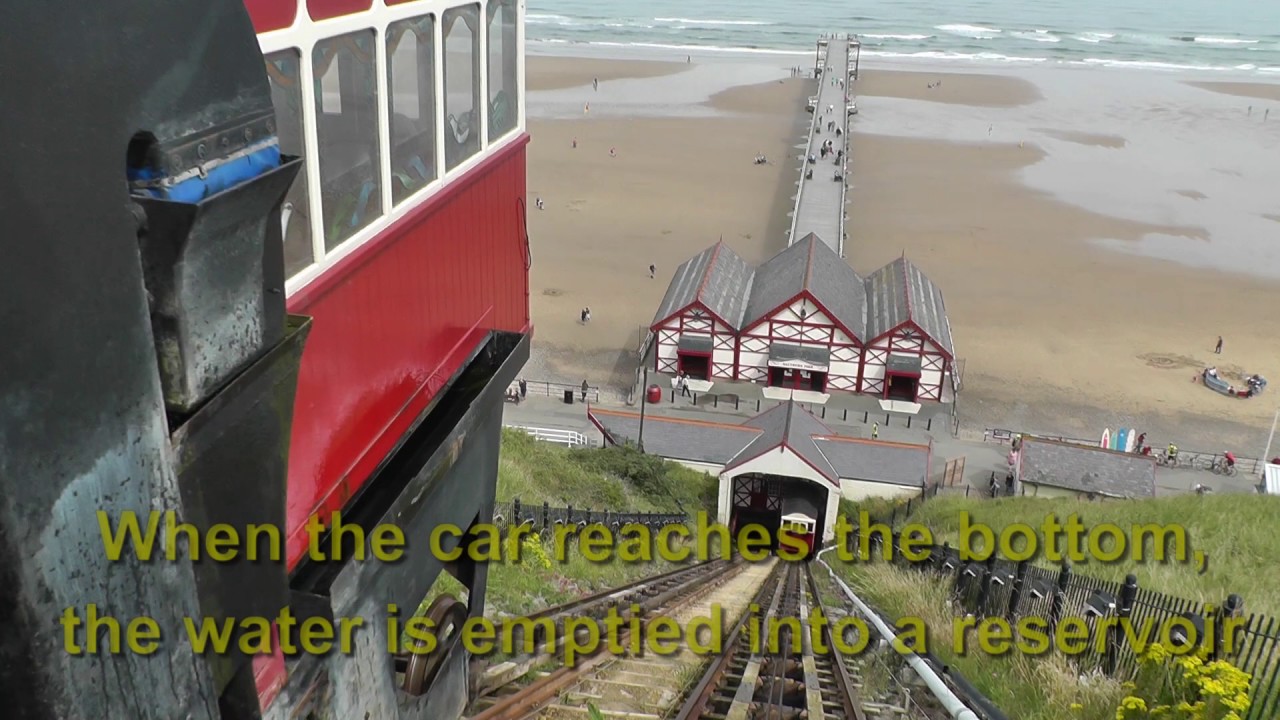
In second place is Tim - @Jabtas, saved by the rules of this Challenge from eliminating the good folk of Saltburn who had braved the weather to visit the pier and appeared in his picture of the fine structure and the water-powered funicular railway.
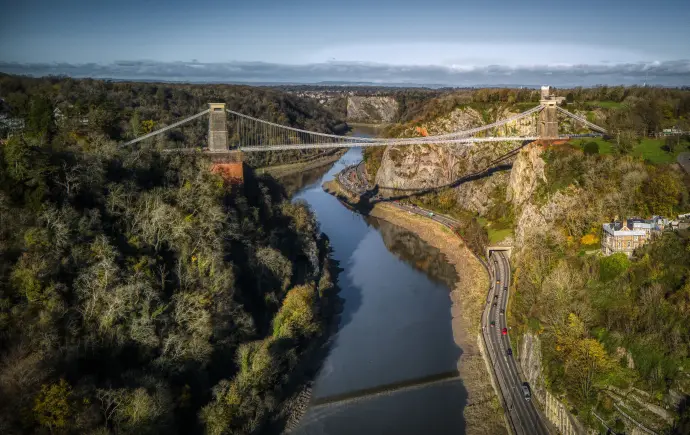
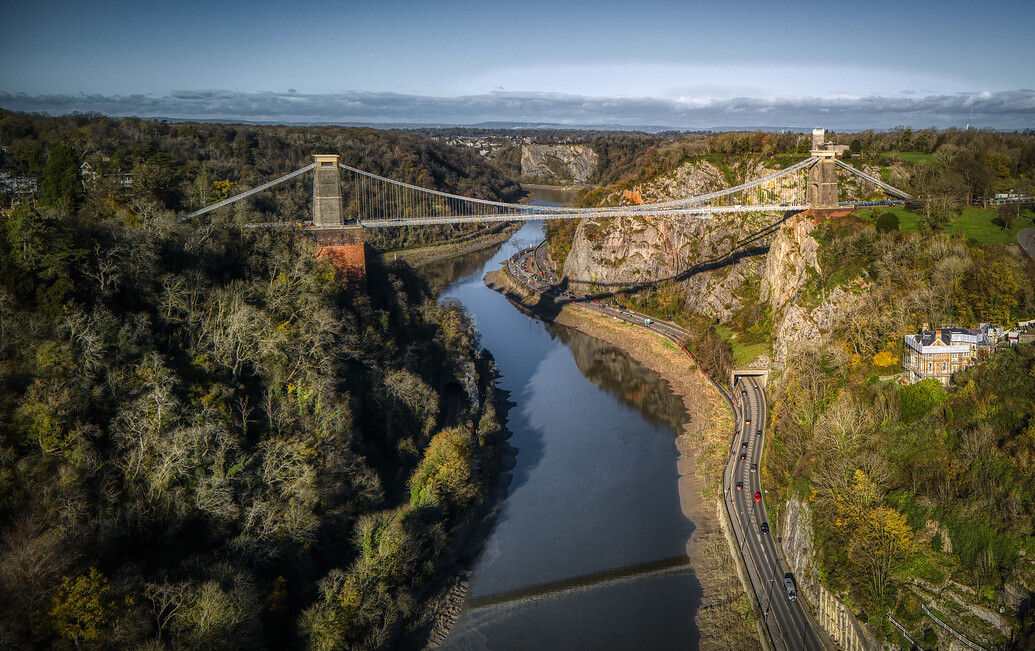
The winner of this round is Richard Bright - @richrab who seems to have got his inspiration from the image illustrating the competition at the top of this thread. No doubt his excuse is that he lives in Bristol. It’s always good to see and example of Brunel’s work, a man who had the chutzpah to emblazon his Tamar Bridge at Saltash with the simple legend I. K. Brunel, Engineer in large, conspicuous letters.
The Avon Gorge seems to have retained its autumn colours in the rare November sunshine. For more of the history of the bridge and how Brunel’s vision was realised by Barlow and Hawkshaw after Brunel’s death
Well done to everyone who braved the waetherto give us a great set of images and congratulations to the three winners.
Our current Challenge, Black and White, can be found here