If you’ve ever wanted to put your flying skills and nerves to the ultimate test, book a ticket to the Faroe Islands. I recently spent a week exploring these wild North Atlantic outposts, and while the weather does everything it can to ground you, the sheer scale of the landscape makes every brief window of calm an absolute goldmine.
I didn’t take any of my drones with me as the weather looked pretty bleak and I was travelling light – the fact that I was stranded at Edinburgh airport for 24 hours as the weather was so bad on the islands that the flight taking me over there was cancelled as the plane wasn’t going to be able to land validated that decision..
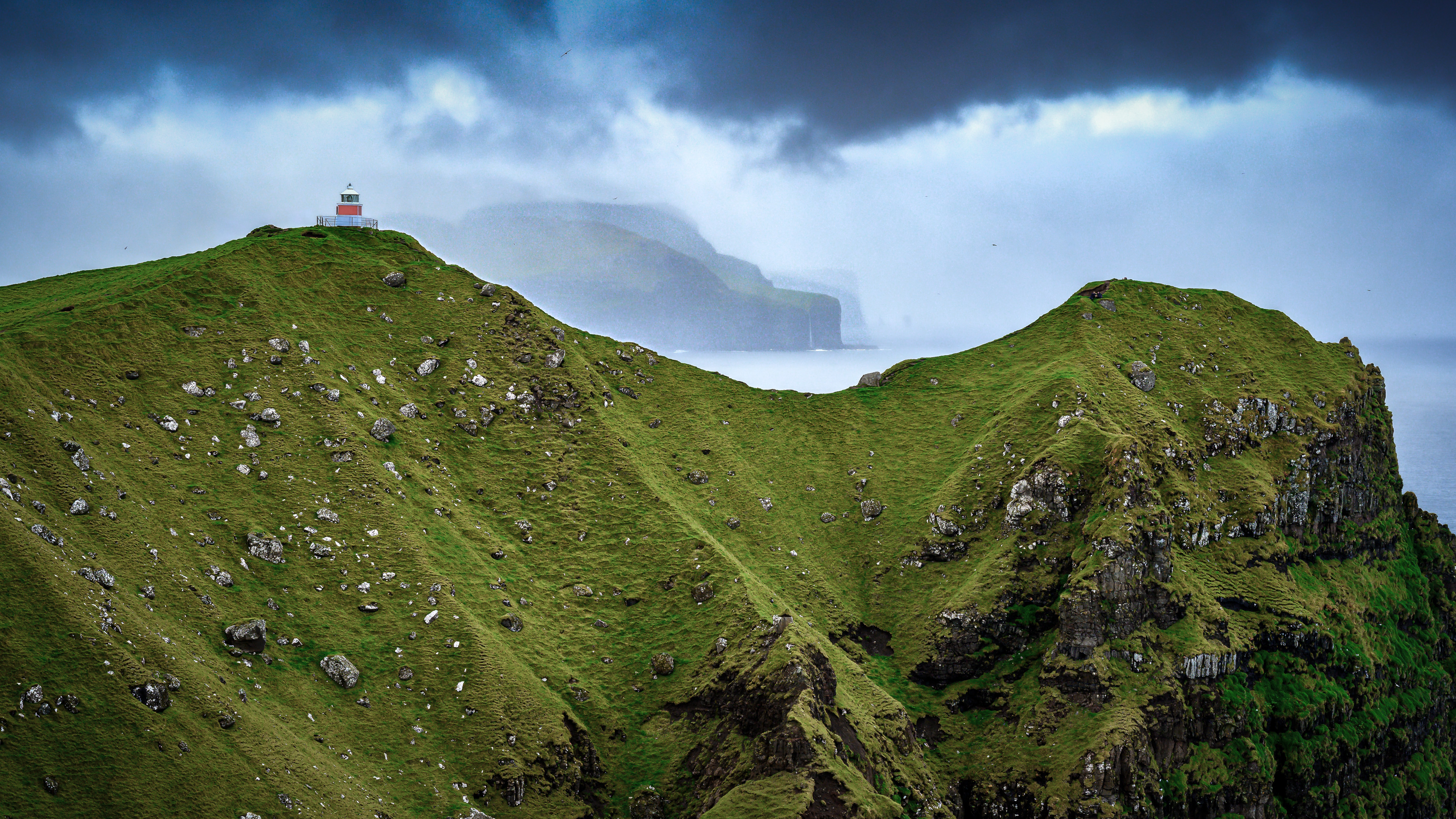
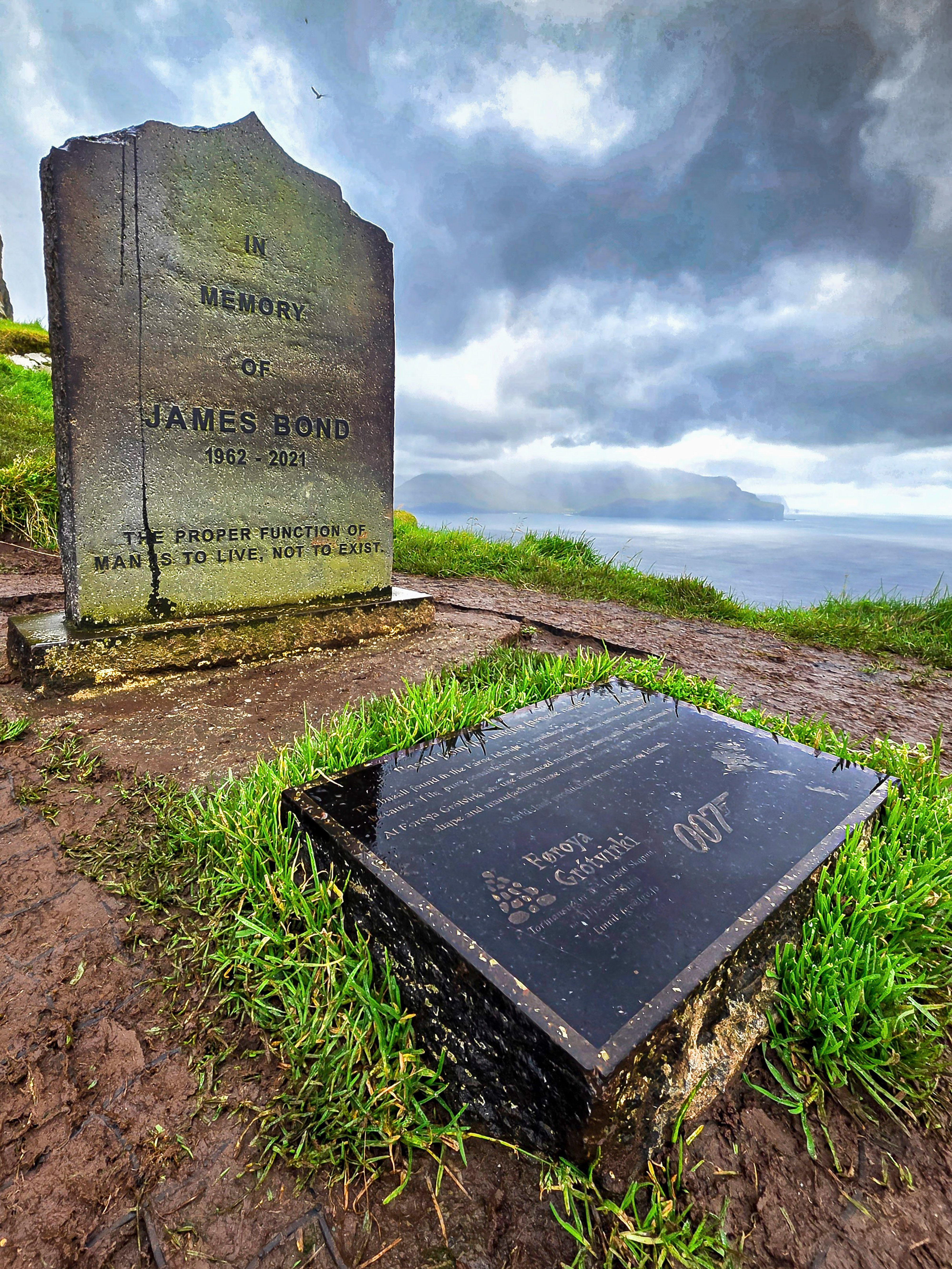
One of the standout highlights was heading out to Kalsoy. To get up to Kallur Lighthouse, you take the ferry and hike up from the tiny village of Trøllanes along a ridge that feels like the edge of the known world. Perched right on the windswept headland is the famous James Bond gravestone—set up as a permanent tribute to mark the spot where Daniel Craig’s 007 met his cinematic end in No Time to Die. Standing right by the marker with squalls rolling in off the Atlantic and sea cliffs dropping hundreds of metres into churning water, you realise the producers couldn’t have picked a more dramatic graveyard.
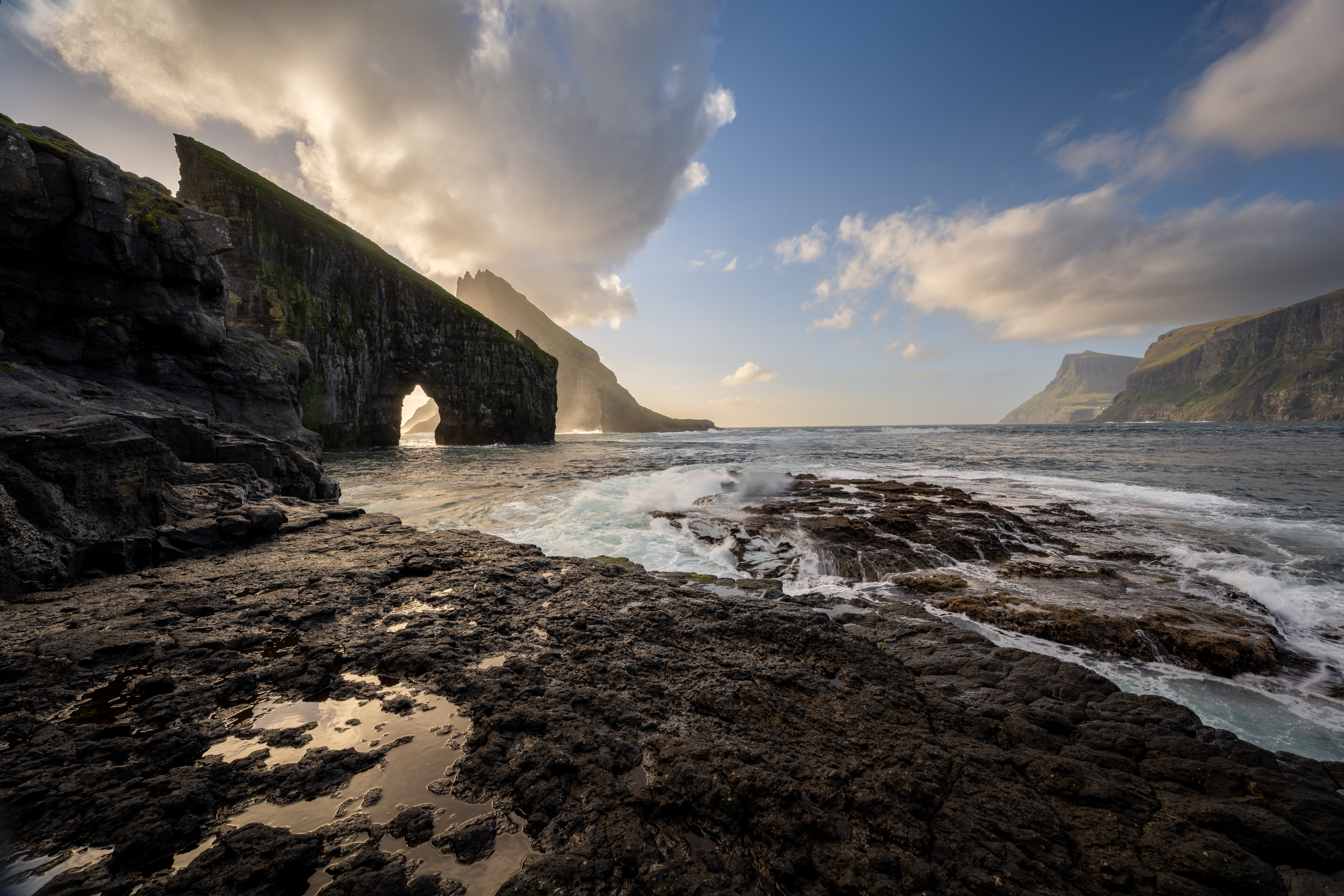
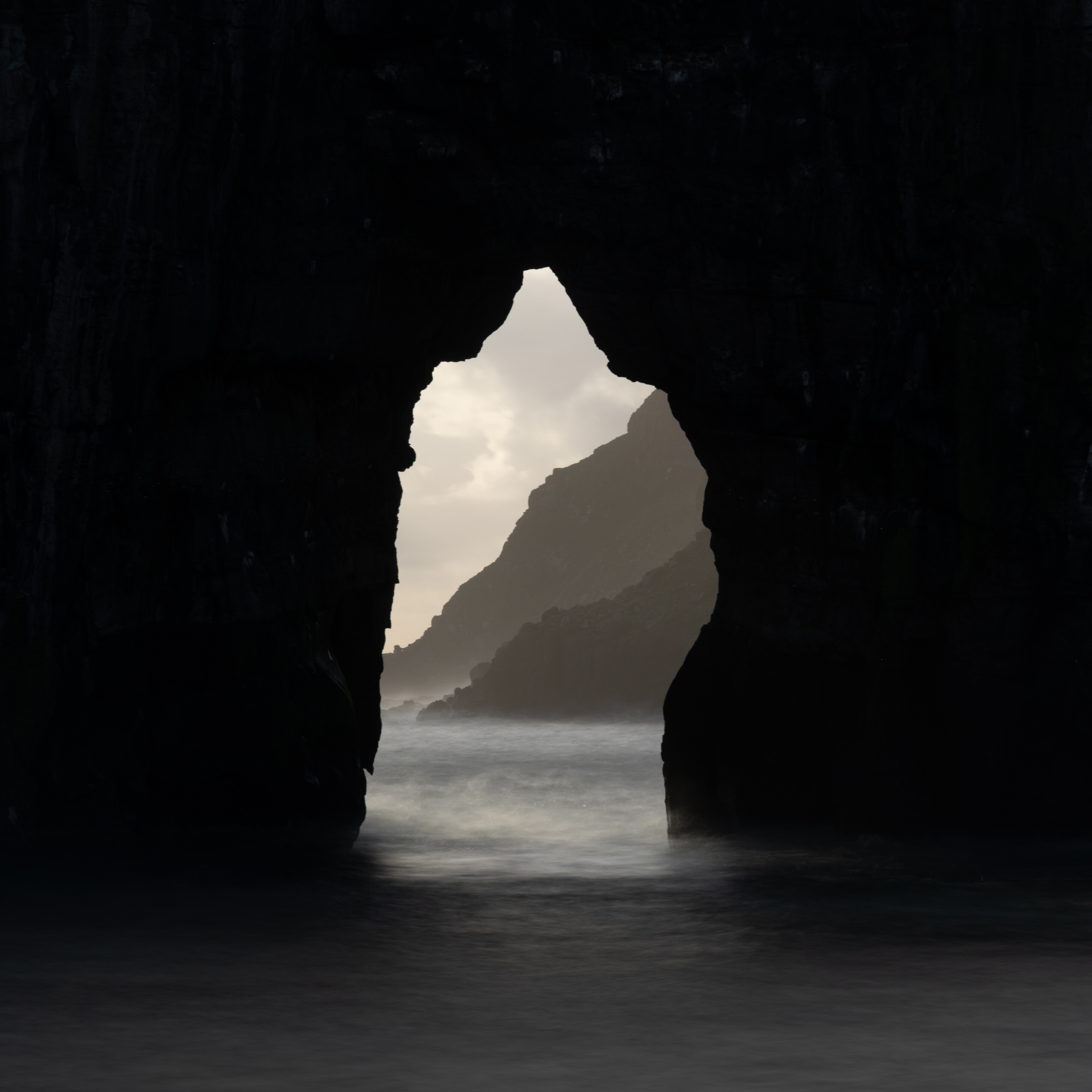
Over on Vágar, the geology just gets more surreal the further you push. The hike out along the jagged coast to frame Drangarnir—the colossal sea stack with its vaulted arch—and the spiky ridge of Tindhólmur was unforgettable. Getting down low on the volcanic shelves to watch the Atlantic swell crash straight through the gap gives you a genuine sense of scale you just don’t appreciate until you’re there in person.
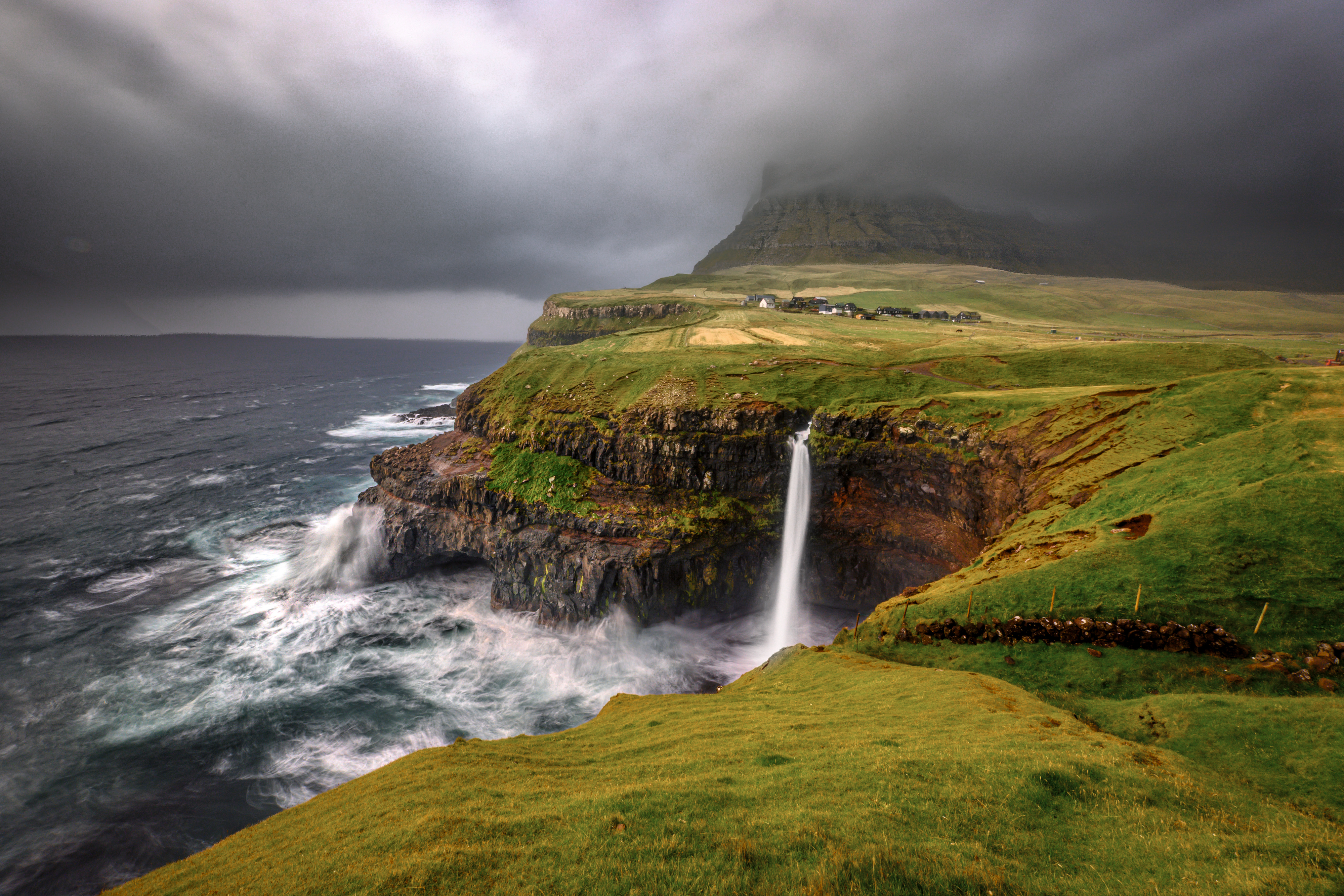
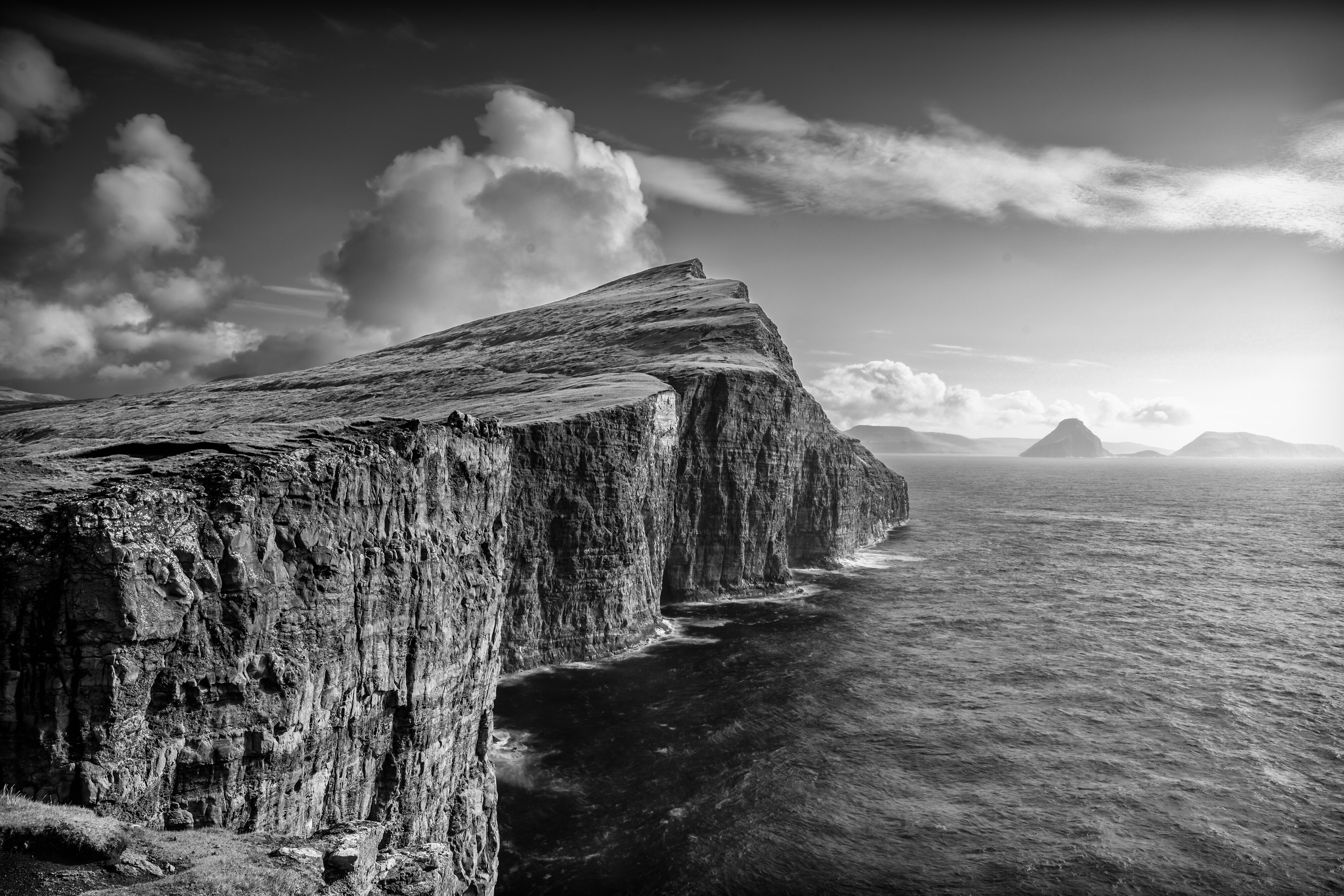
Vágar also delivered the classic view of Múlafossur Waterfall plunging straight over the basalt cliffs into the ocean below Gásadalur, with cloud clinging heavy to the peaks behind. Not far away, the hike out to Trælanípa(the Slave Cliff) serves up that famous, mind-bending optical illusion where Lake Sørvágsvatn looks like it’s floating high above the open sea. Looking straight over that sheer vertical wall in black-and-white really captures how rugged and unforgiving the terrain is.
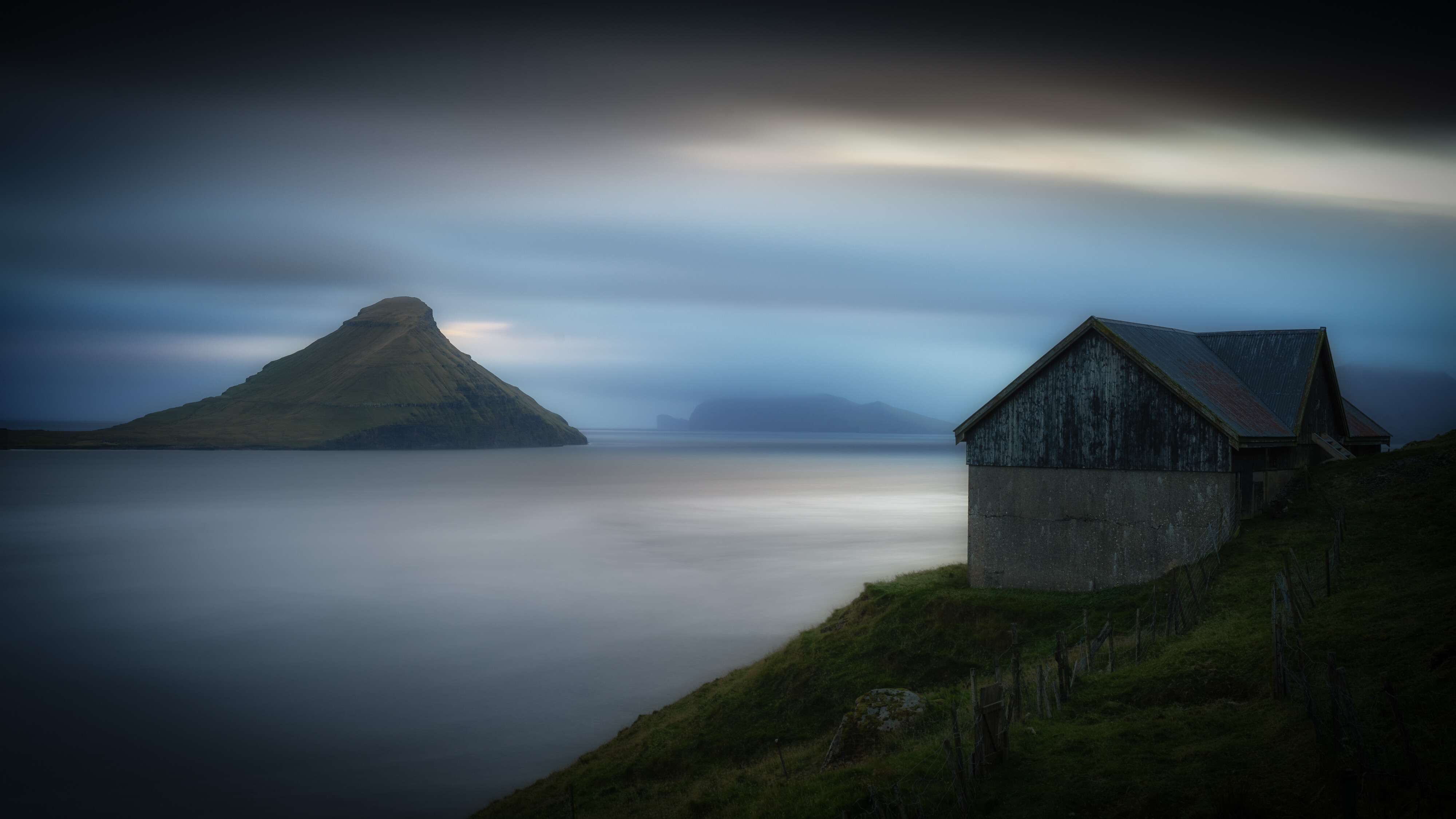
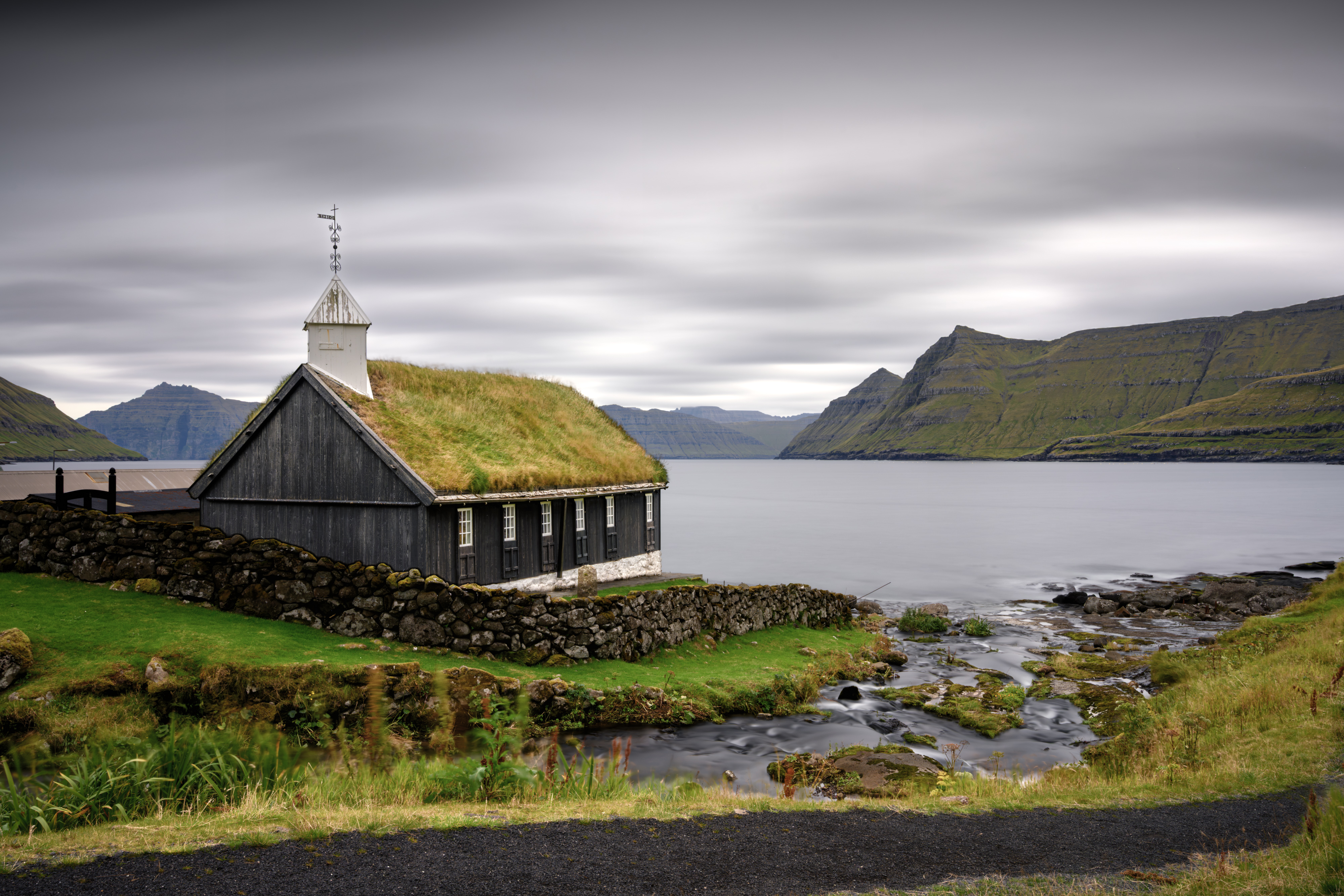
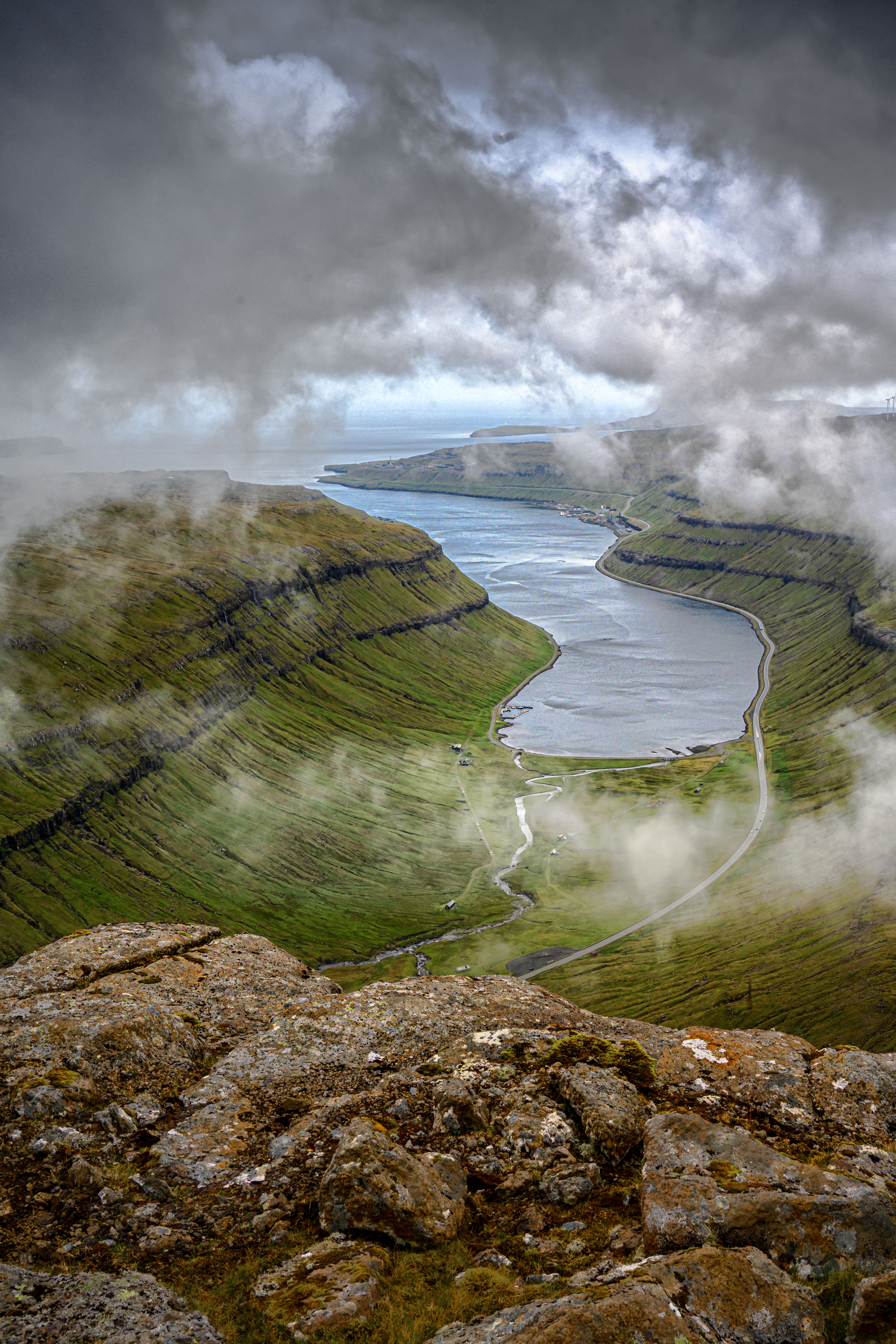
When the squalls weren’t battering the headlands, exploring the quieter fjord inlets revealed a completely different, peaceful side of the islands. The turf-roofed wooden church at Saksun, tucked alongside its tidal lagoon and babbling runoff streams, felt like stepping straight into another century. Further inland, dropping down through the swirling mist at Norðradalsskarð toward the tiny coastal hamlet of Norðradalur felt like peering through the clouds into a lost world.
Between the gale-force gusts, relentless salt spray, and sudden fog banks rolling over the peaks, the Faroes will test your gear and your patience. But when the light breaks through the storm clouds and illuminates these knife-edge ridges, there really is nowhere else on earth quite like it.


 french kiss!!