Wasn’t really sure on how much to expect to pay for these, so was a little taken back at how much they actually are from DJI.
Came across some others by Freewell (I think) and NEEWER. Not sure if there’s any difference between them and the DJI ones? Other than probably some price difference, potentially?
I wasn’t really sure on whether I’d need some, but given my Mini 5 Pro came with some I thought it worth getting some since I do enjoy using my drone for sunrise/sunset photos and videos, or at least that’s one of the main things I’ll be using it for anyway.
Does anyone have them and can recommend what conditions to use each one for? I bought the ND8,16,32 & 64 set.
I have Nisi filters for my Mavic 2 Pro - 4, 8 and 16ND and a polariser. The only one I’ve ever needed is the 16, although the Mavic 2 Pro has a variable aperture which makes it easier to set the correct exposure than on drones with a fixed aperture. I’m talking about shooting video where you’d use 1/50 for 25fps or 1/60 for 30fps. Any sunny or reasonably bright day and the ND16 is fine.
I have the Freewell ‘All Day’ pack for my Mavic 4 Pro. Wouldn’t be without them. I live right on the coast and the vast majority of my flying takes place over or very near the sea. The Freewell filters are also polarising which is ideal for this scenario.
I’ve used ND/Polarising filters on every drone I’ve owned and am presently looking to buy a set for my newest drone purchase, the Neo 2.
Instead of me droning on (pun intended) on the benefits and ways of using the filters it would be more beneficial to simply use the links above that have been kindly suggested by other forum members.
However, I would like to add that the more time you invest in experimenting with your new filters will pay you dividends in the results they can have on your drone footage… enjoy!
Anyone fitted ND filters to a Mavic 2 Enterprise Advanced? Because of the double lens on the gimble, just wondered if filters for other Mavic 2 series drones were compatible? I’ve seen a few advertised as being compatible but they’re always for the Air, which has made me a bit uneasy.
I did the same, I tried and tried to get an update on the Dji electronic ND filter, but it seems that it has been completely shelved, soo it either does not do what it should, or they have something amazing in mind for a future release….what a great bit of kit that seems to be though, change the ND filter stops in flight, no need to land the drone.
Now I’m considering ND filters. With my Mini 4, I found that when shooting a scene with the sun or other strong points of light, the filters produce a double reflection artifact in images.
The Mavic 4 appears to have a greater distance between the lens and inner face of filters, does this reduce the these reflections?
Is there a filter brand which has eliminated the reflection problem
It’s added complexity for no legitimate reason, due to the following variables:
I’m not shooting for BBC/Netflix/Other
In the UK, ambient light levels can change so frequently that the drone would spend more time taking off and landing to adjust the ND filter (importantly, this is the EXACT reason I don’t use ND filters having nuked some footage due to cloud many years ago)
At 120m in the sky, flying even 19m/s does not invoke motion blur
Modern display panels are not restricted by framerate. When was the last time you told your TV that it needed to be 25fps? They are framerate agnostic, and set up correctly, will not judder
Even my FPV footage doesn’t require motion blur and I can fly that thing 12cm from the ground. If I’m desperate for motion blur, I can add it in post processing via a blur node in Davinci Resolve
Don’t get me wrong - I can and do use ND filters, but not on a drone. When filming with my Sony camera and a gimbal I’d adhere to the 180 rule with a 60fps 1/120 shutter, using a VND and the two native ISOs to compensate for the ambient light.
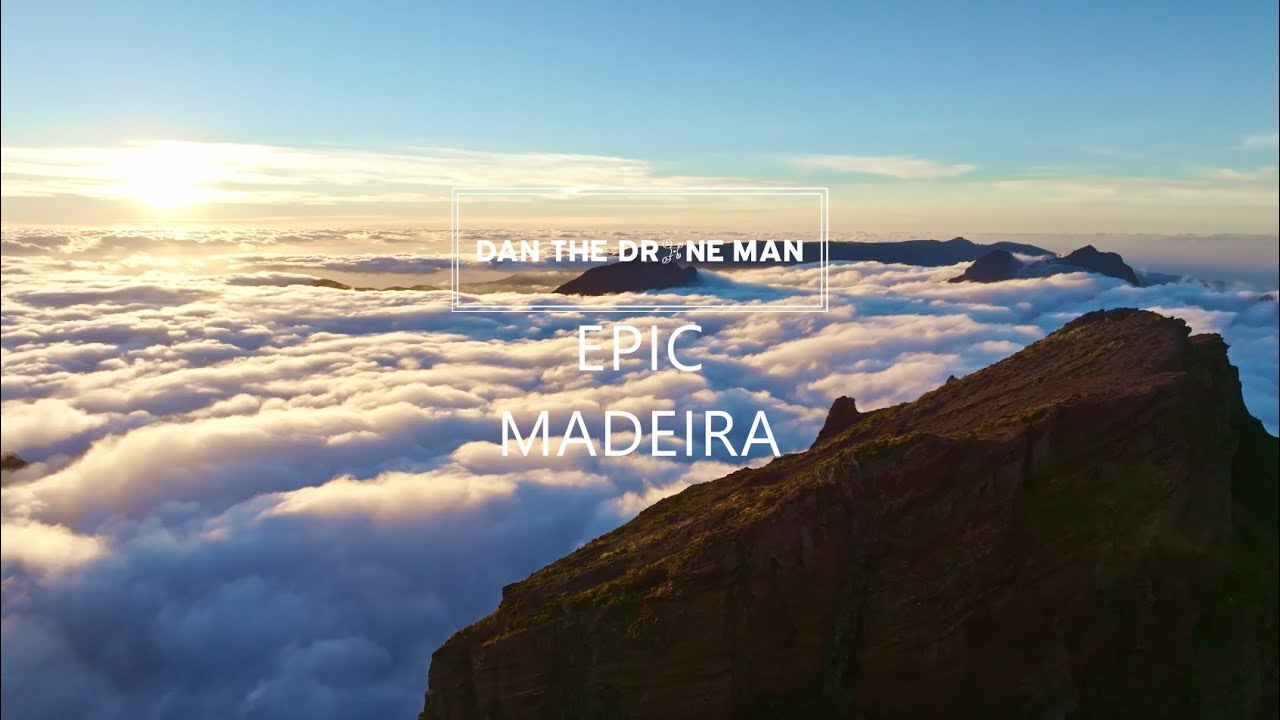
However, on the flip side, here’s Sony footage shot with a 50mm f1.2 lens held wide open at f1.2. Some parts of this footage are shot at 1/8000 shutter speed. Can you tell me which ones?
Cinematic is how I describe the footage I shoot. Slow, sweeping shots and reveals.
Online entities touting footage as ‘cinematic’ because they slapped an ND filter on (but left the camera in full auto mode), and then threw a LUT onto it and dialled the output to 101% are the reason hobby groups are flooded with so many people asking what ND filter to get instead of why they need an ND filter. That’s not ‘cinematic’ that’s just colour saturation.
A cinematic shot is a carefully composed, lit, and filmed image that enhances storytelling, mood, and emotion, often mimicking the high-quality look of feature films. These shots prioritize visual storytelling through specific angles, depth, and intentional, often minimalist, composition, distinguishing themselves from simple, functional footage
Its all about the story, otherwise, shoot a still and let the viewer make up their own