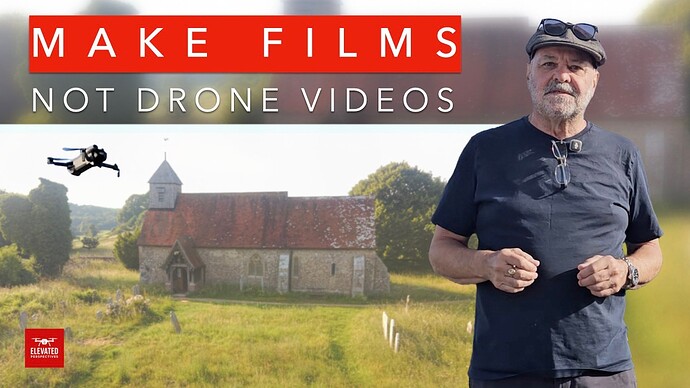
Over the last eight tutorials we’ve explored the techniques that transform ordinary drone footage into cinematic storytelling.
This final episode brings everything together—light, movement, depth, emotion and composition—showing how these simple principles combine to create films that people actually feel.
A huge thank you to everyone on Grey Arrows who has watched, commented and shared advice throughout this journey. Your support has been invaluable.
I watched it this afternoon and learnt a lot. Some things made sense, some I never even considered. Thank you for putting the video today and sharing it.
Thanks, Alan. Comments like this make all the work worthwhile! I’m really pleased you picked up some new ideas—sometimes it’s those little mindset changes that make the biggest difference to our films. Thanks again for watching and taking the time to let me know. Happy flying!
I am new to drone flying so have a lot to learn. I used to have a Canon EOS 30D and did some commission work on the side many years ago (with full studio lights and far too much money’s worth other kit). I sold it all when my eldest was born as needed the money, and also didn’t have the time to continue doing it. I don’t regret selling it all, was needed at the time. Now both children are older, and apart from driving them places most days, they don’t need me 24/7. So, perfect time to get a drone, and get out there to take photos again and the odd video. Then, have some fun time when I am a better flyer and race around a bit and act like a child again (safely).
Your tutorials are very clear, and don’t assume anything. You aren’t belittling to those who make the mistakes that you mention. You do come across very well, and it shows you love doing it, and you want to help people. I have a YouTube channel about brewing so well versed about making videos where you try to explain different ways of doing things and the pros and cons of certain actions.
Please keep making your videos. I will watch (and learn from) them all and be a loyal subscriber.
I think that’s probably why I enjoy making these tutorials so much. I first caught the photography bug as a kid with a simple Kodak Instamatic, then progressed through film SLR’s, home developing, camcorders, DSLR’s and now drones. Technology has changed enormously over the years, but the enjoyment of trying to tell a story with a camera has never really changed.
These days my favourite part is actually sitting at the editing desk. I’ll often look up and realise it’s gone two in the morning because I’ve completely lost track of time trying to make each film just a little bit better!
I’m certainly not a professional—just someone who’s been passionate about photography and filmmaking for a very long time. I’m still learning myself with every flight and every edit, and I think that’s part of the fun. If I can share what I’ve learned while continuing to learn alongside everyone else, and help people avoid some of the mistakes I’ve made, then it’s all been worthwhile.
The earlier tutorials were very much about the technical side of flying—what buttons to press, what settings to use and why. With this new series I’m trying to do something a little different: encourage people to think more like filmmakers than drone pilots. There isn’t always a right or wrong answer, but if a video makes someone look at a shot from a different perspective, then I feel it’s done its job.
Thanks again for taking the time to write such thoughtful comments, Alan. They genuinely mean a lot. Happy flying!
I too started off with Canon gear some years back but just stills. What software would you recommend drone flyers - “pleasure only” should use to make decent videos to share with family and friends?
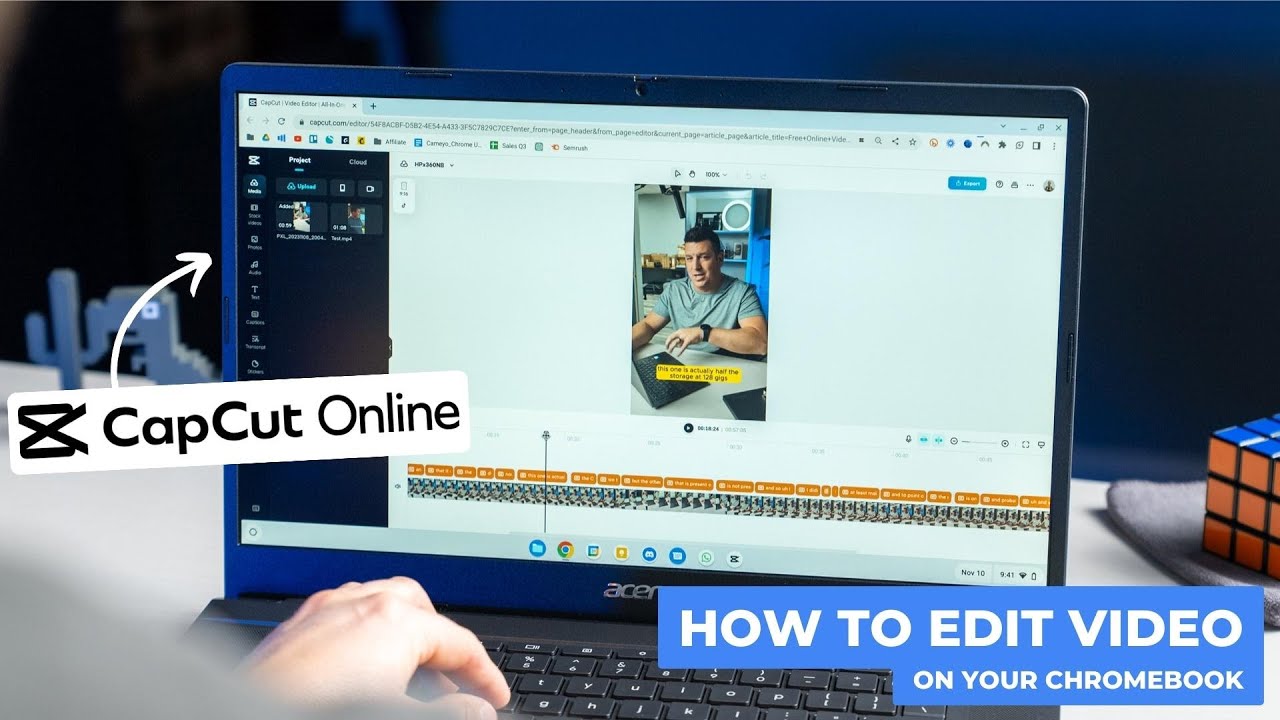
Hi and thanks for this. Unfortunately I fell for the chromebook sell so presumably it will have to be something like Adobe - should never have got rid of my Imac
Absolutely right, Chris. I’ve never owned a Chromebook, so I didn’t realise DaVinci Resolve wasn’t really a practical option. I agree that CapCut is probably Richard’s best choice. Thanks for pointing that out.
I combined a couple of the topics because there was quite a bit of overlap, so rather than eight separate chapters it became five main sections. The eighth chapter was in fact the recap.
I also try to keep my tutorials concise rather than stretching them out unnecessarily. Hopefully it flows a little better that way!