Afternoon all,
Have any of you tried printing with PP before? If so what do you think?
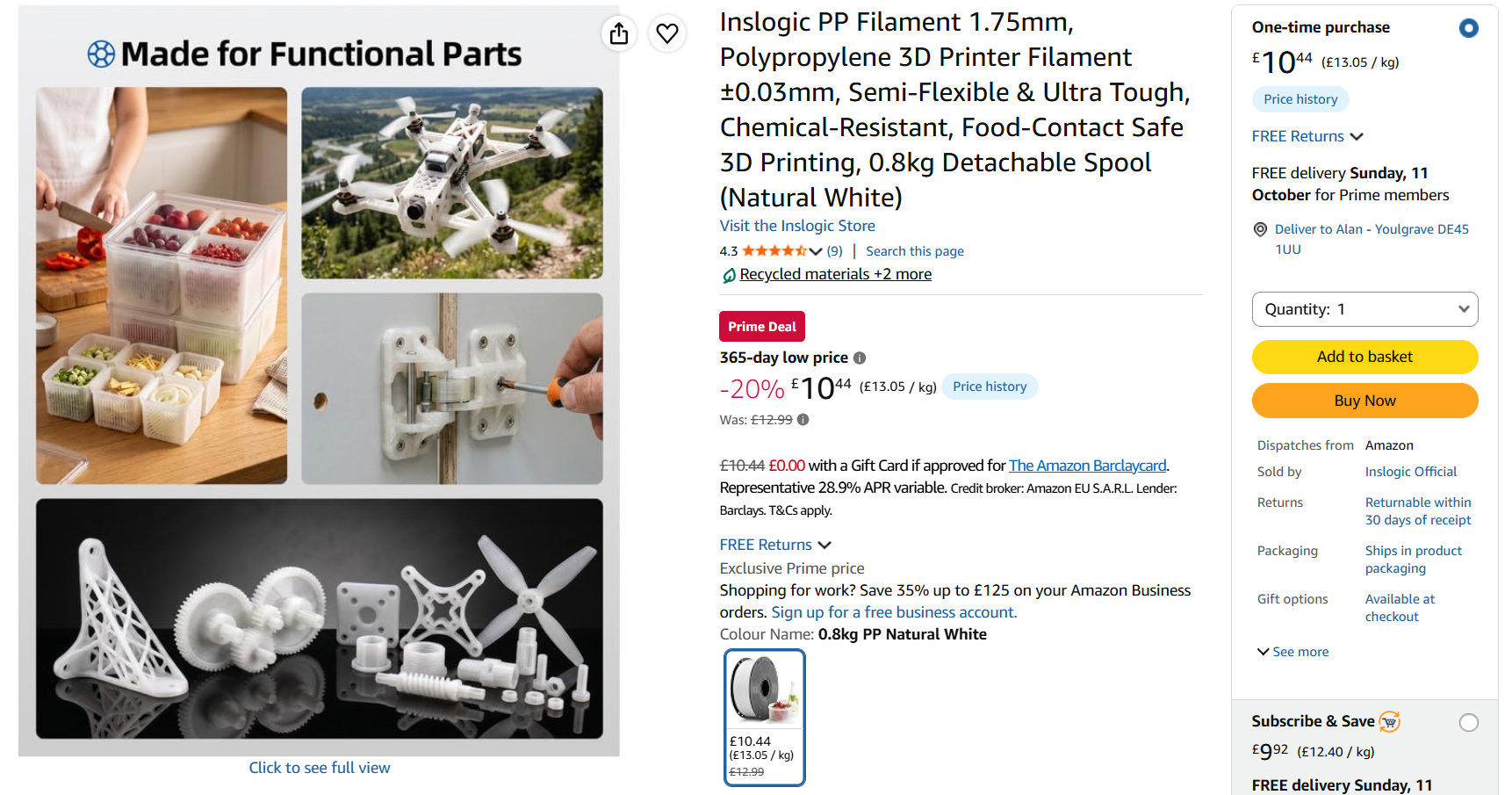
I found the below which is only £10.44, so well worth a try. Looking at the settings, the temps are more like PLA, although they say you need PP glue. I have a normal glue stick, so not sure if that will work as well.
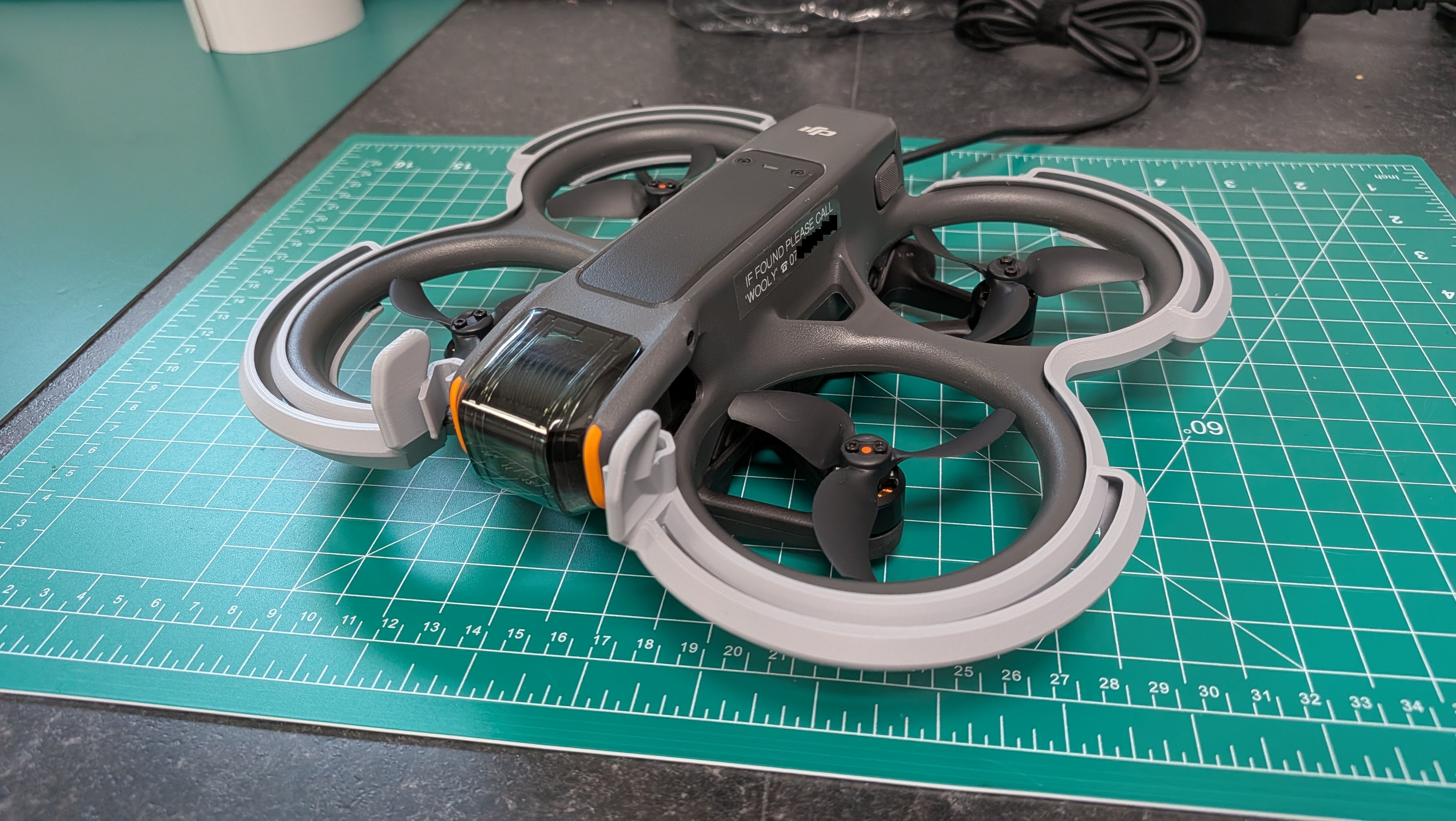
I am thinking about buying this as it is one of the lightest filaments you can get, and it has high toughness. This sounds the perfect filament for me to print some crash protecting rings to go around my Avata 2. I also want to design a 0.8mm plate to go around the top where the status LED is so it can take the scratches rather than the drone itself, but be light enough where it won’t affect the top speed or battery.
Thanks @macspite for that, was an interesting read.
I did find some PP glue for £18.95
Is a difficult one reading that article. I want to give it a go, but if I also need to buy the glue as well, that will be close to £30 for the glue and 0.8kg of PP. The ASA I have is a lot lighter than PLA and PETG and has a nice amount of flex to it, so the crash/bump rings looks like it will work well. I just thought PP will take it to the next level.
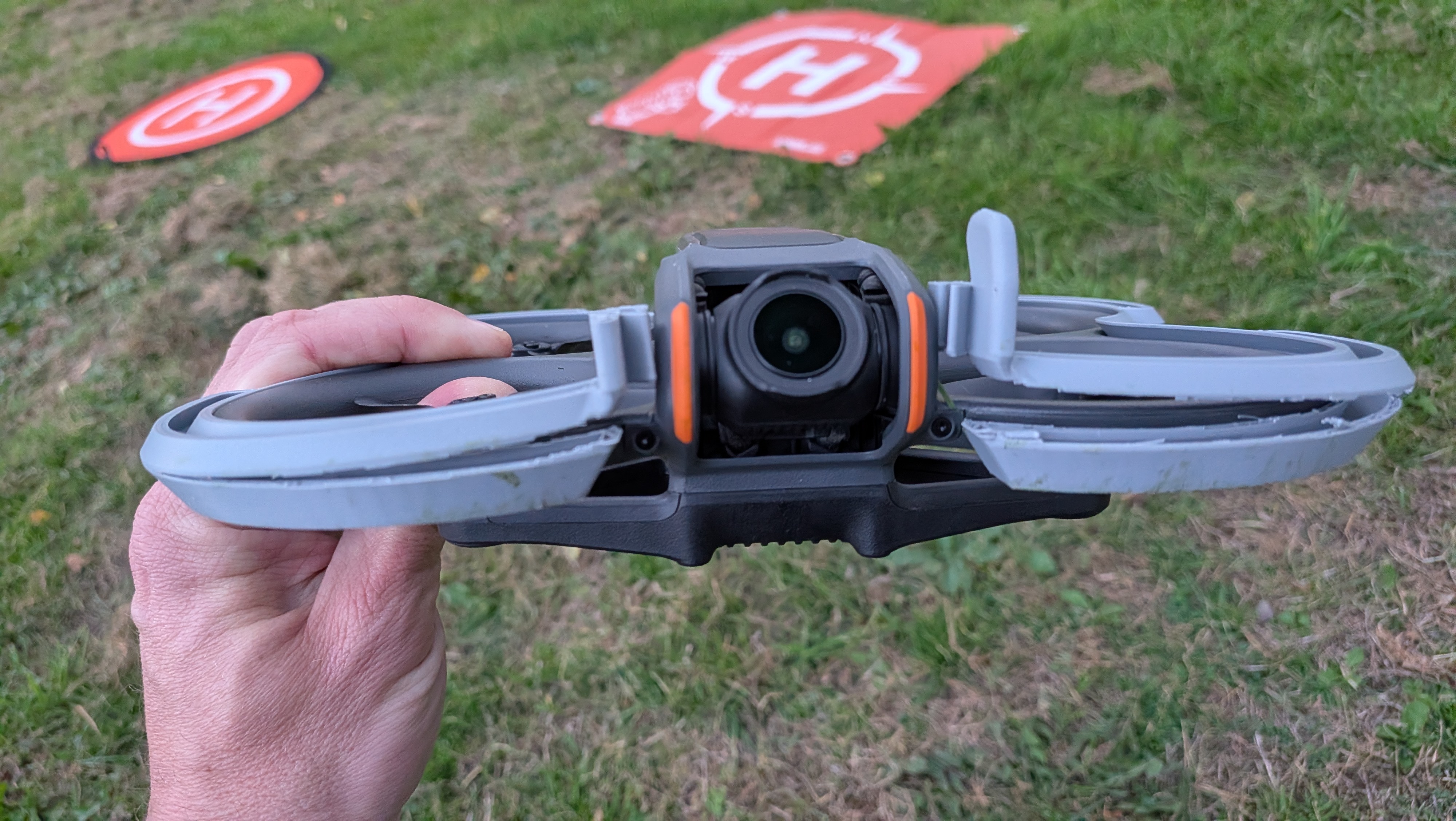
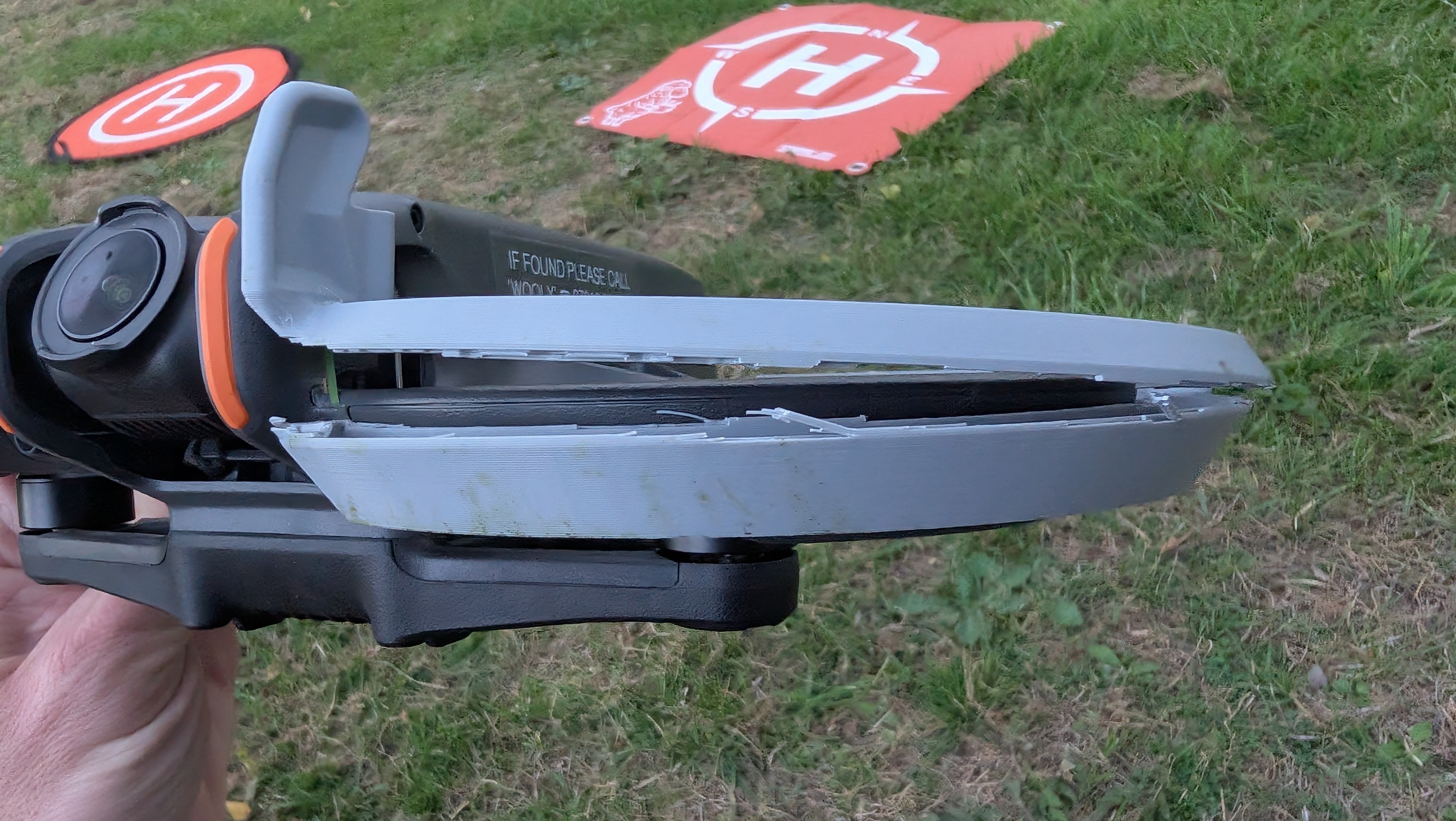
I went flying with my daughter last night. I can confirm that the bumpers work as in the drone does not have a dent or scratch on it after I went quite fast into the side of a tree (don’t ask, was trying to be cleaver…). The bumpers split apart with the force. This is both good and bad. Good that it probably absorbed most of the force so the drone had little go into it. Bad though that this only lasted one collision. I think the cost was around £0.75 for both sides, so not that bad. I did though print it with 1 wall as I wanted it super springy. Clearly the 1 wall made it too weak, so will print it with 2 walls and see how it goes (not that I want to fly into another tree!
I know, I know. Sadly (and stupidly) while I have turned on the automatic recording on lift-off, I stopped the recording so I could enable the Easy Acro (why on earth can’t you enable easy acro if you are currently recording?), and forgot to turn recording back on. So there is no evidence of me skilfully going around a blade of grass and then smacking into a large tree.
That was my first thought and did so (in a lovely red transparent 95A). The front stays on fine, but without using cable ties, the back slips off after a few sharp turns. I may need to find a different design, but I like the one I have as it has more spring to it. Many of the designs will protect from scratches, but won’t help with hard impacts as the force simply travels through it to the drone.